Fitbit vs Garmin (2026): Which Should You Buy?
Fitbit and Garmin are the two biggest names in fitness trackers, and they pull in different directions: Fitbit is the simpler, friendlier, health-and-sleep brand, while Garmin is the data-rich choice built around GPS and serious training. This guide compares them across the things that actually matter in 2026 and tells you plainly which suits which kind of person.
Verdict up front: choose Fitbit for easy all-day health tracking, excellent sleep insights and lower prices; choose Garmin for the best GPS, the deepest training metrics and multi-day battery — and because Garmin’s core stats don’t sit behind a subscription.
How we compare
We don’t lab-test every device. This comparison is based on the published specs, the consensus of professional reviewers and verified-owner reviews, and how each brand’s ecosystem actually works. Links are affiliate links; we may earn a commission at no cost to you, with no paid placements. See our methodology.
The representative picks
For most buyers the decision comes down to one model from each brand. These are the two we’d point most people to:
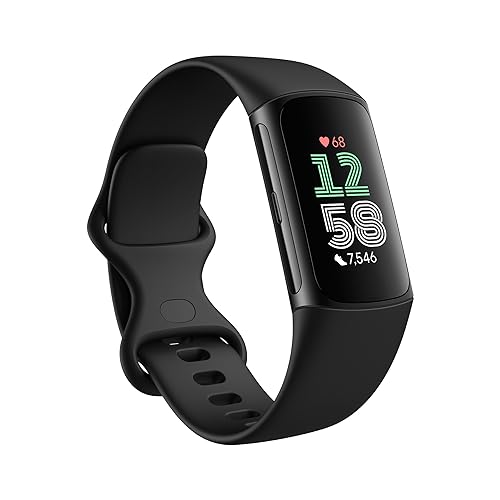
Fitbit Charge 6
- ✓Simple, friendly app
- ✓Excellent sleep tracking
- ✓~7-day battery
- ✓Affordable
- ✕Some insights need Premium
- ✕Less training depth than Garmin

Garmin Venu 3
- ✓Excellent GPS and training metrics
- ✓No subscription for core data
- ✓Up to ~14-day battery
- ✓Works with iPhone and Android
- ✕Pricier than a Fitbit band
- ✕More data than casual users need
At a glance
| Fitbit | Garmin | |
|---|---|---|
| Best for | Everyday health, sleep, value | GPS, training, battery |
| GPS | Built-in on most current models | Excellent, on nearly all models |
| Training depth | Moderate | Deep (VO₂ max, load, recovery) |
| Sleep tracking | Class-leading, easy to read | Very good |
| Battery | ~7 days (bands) | ~10–14+ days (many models) |
| Subscription | Some insights need Premium | Core metrics free |
| App | Simple, beginner-friendly | Garmin Connect — detailed |
| Price range | ~$100–350 | ~$150–500+ |
Health & everyday tracking
Both cover the basics well — steps, heart rate, SpO2 and sleep. Fitbit’s strength is presentation: its app is the friendliest in the category and its sleep tracking (with a nightly Sleep Score) is genuinely excellent and easy to act on. Some deeper insights, though — the Daily Readiness Score and parts of the Health Metrics dashboard — sit behind Fitbit Premium (around $10/month). Garmin shows comparable data, including a Body Battery energy measure, without a subscription.
Edge: Fitbit for simplicity and sleep; Garmin for getting the full picture without paying monthly.
GPS, sports & training
This is Garmin’s home turf. The brand grew out of GPS, and it shows: more accurate distance and pace tracking, more sports profiles, and far deeper training analysis — VO₂ max, training load, recovery time and structured workouts. Fitbit now has built-in GPS on its mainstream models and connects to Strava, but it doesn’t match Garmin’s depth.
Edge: Garmin, clearly, for anyone who runs, rides or trains seriously.
Battery life
Fitbit bands last about a week. Garmin generally goes longer — roughly 10–14 days on watches like the Venu 3, and weeks on rugged models like the Instinct. If you hate charging, Garmin wins.
Edge: Garmin.
Apps & ecosystem
Fitbit (now part of Google) has the easier app — ideal for beginners — and a small but growing app store. Garmin Connect is more detailed, available on desktop too, with Connect IQ for extra apps and watch faces. One 2026 note: Fitbit accounts are now Google accounts, so you’ll need a Google login.
Edge: Fitbit for ease; Garmin for depth.
Price & value
Both span budget to premium — Fitbit roughly $100–350, Garmin roughly $150–500+. Fitbit tends to be cheaper for equivalent everyday tracking; Garmin asks more but bundles in GPS and training features (and no subscription for core data). Prices move constantly, so check current deals.
Which should you buy?
Buy Fitbit if you want a simple, affordable, comfortable tracker focused on daily health and sleep, with a friendly app — and you don’t need deep sports analysis.
Buy Garmin if you run, ride, swim or train and want accurate GPS, rich metrics and long battery life without paying a monthly fee.
Still deciding between platforms more broadly? See our best fitness trackers hub, or the brand-vs-brand take in Fitbit vs Samsung Watch.
FAQs
Is Fitbit or Garmin more accurate?
For everyday steps, heart rate and sleep, both are reliable and broadly comparable. For GPS distance/pace and training metrics during exercise, Garmin is generally more accurate and far more detailed.
Does Fitbit require a subscription?
Not for basic tracking. But some features — the Daily Readiness Score and parts of the Health Metrics dashboard — need Fitbit Premium (about $10/month). Garmin includes its core metrics, including Body Battery, with no subscription.
Which has better battery life, Fitbit or Garmin?
Garmin, usually. Fitbit bands last about a week; Garmin watches commonly run 10–14 days, and rugged models like the Instinct last weeks.
Do Fitbit and Garmin work with iPhone and Android?
Yes, both work with iPhone and Android. Note that in 2026 Fitbit accounts are now Google accounts, so you sign in with Google.
Affiliate disclosure: As an Amazon Associate we earn from qualifying purchases. Links above are affiliate links and may earn us a commission at no extra cost to you.